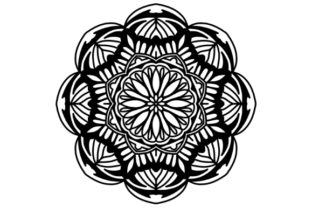
Discover the Beauty and Versatility of Mandala Vector Art Pattern 764
Mandala Vector Art Pattern 764 is more than just a design—it’s a versatile tool that can transform creative projects, branding efforts, and personal expression. Whether you're an artist, a small business owner, or someone who simply enjoys visual art, this pattern offers a unique blend of intricate detail and adaptability. With its availability in AI, EPS, and JPG formats, it's designed to meet the needs of both digital creators and print enthusiasts.
What Is Mandala Vector Art Pattern 764?
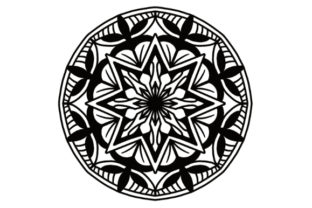
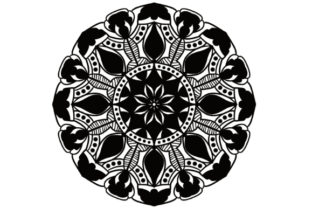
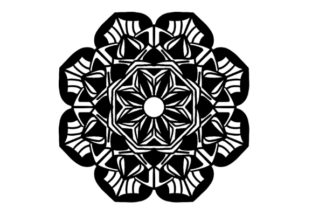
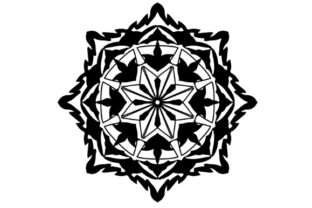
Mandala Vector Art Pattern 764 is a geometrically rich, symmetrical design that combines traditional mandala elements with modern vector techniques. It features layered circles, interlocking shapes, and repeating motifs that create a sense of balance and harmony. Unlike generic patterns, this one is crafted with precision, making it ideal for both detailed customization and seamless integration into various media.
The design is available in multiple file types: AI (Adobe Illustrator), EPS (Encapsulated PostScript), and JPG (JPEG). This flexibility allows users to work with the pattern in vector editing software or use it directly in web and print projects without losing quality.
When and Why Would You Use Mandala Vector Art Pattern 764?
The appeal of Mandala Vector Art Pattern 764 lies in its adaptability. Here are some realistic scenarios where it proves invaluable:
- Branding and Marketing: Small businesses often need visually striking logos or packaging designs. This pattern can serve as a base for logo creation, adding depth and uniqueness to brand identity.
- Interior Design: Interior designers might use the pattern on wall art, floor tiles, or decorative panels to add a calming yet artistic touch to spaces.
- Education: Teachers and educators can incorporate the pattern into lesson plans or classroom materials to teach geometry, symmetry, and art principles in an engaging way.
- Personal Projects: Hobbyists and creatives can use the pattern to craft greeting cards, scrapbook pages, or DIY decor items that reflect their personal style.
- Digital Content Creation: Bloggers and content creators can integrate the pattern into website backgrounds, social media graphics, or video overlays to enhance visual appeal.
Whether you're looking to elevate your creative output or streamline your workflow, Mandala Vector Art Pattern 764 provides a solid foundation for innovation.
Who Benefits from Using Mandala Vector Art Pattern 764?
This pattern appeals to a wide range of users, each with their own set of needs and goals:
- Creative Professionals: Designers, illustrators, and artists can use it as a starting point for custom illustrations or as a background element in their compositions.
- Entrepreneurs: Business owners can leverage the pattern for branding, marketing materials, or product packaging to stand out in competitive markets.
- Freelancers: Graphic designers and freelancers can offer this pattern as part of their service portfolio, providing clients with a high-quality, customizable option.
- Students and Educators: It can be used in classrooms for teaching design fundamentals, symmetry, and color theory in a hands-on way.
- Hobbyists: Individuals who enjoy crafting or creating art at home can use the pattern to explore new techniques and styles.
Each user group finds value in the pattern’s ability to blend simplicity with complexity, allowing for both ease of use and creative freedom.
Considerations Before Using Mandala Vector Art Pattern 764
While Mandala Vector Art Pattern 764 offers numerous benefits, it's important to consider a few factors before downloading or using it:
- File Compatibility: Ensure that your design software supports the file type you’ve chosen (AI, EPS, or JPG) to avoid any issues with rendering or editing.
- Customization Needs: If you plan to modify the pattern extensively, opt for the AI or EPS format, which allows for scalable, editable vector work.
- Intended Use: Clarify whether the pattern will be used for personal, commercial, or educational purposes, as this may affect licensing or usage rights.
- Resolution Requirements: For print projects, ensure that the final output maintains high resolution and clarity, especially when scaling up the design.
- Design Integration: Consider how the pattern will fit into your overall project. Will it complement other elements or stand alone? Test it in different contexts to find the best application.
By evaluating these considerations, you can make informed decisions about how to best utilize Mandala Vector Art Pattern 764 in your projects.
Real-World Applications of Mandala Vector Art Pattern 764
Let’s explore some practical examples of how Mandala Vector Art Pattern 764 can be applied in everyday situations:
Example 1: Branding a Wellness Business
A wellness coach could use this pattern as the foundation for a logo or branded merchandise. The intricate design aligns with the theme of mindfulness and inner peace, helping to build a cohesive brand identity that resonates with the target audience.
Example 2: Creating Educational Materials
An art teacher might use the pattern in a lesson on symmetry and geometry. Students can trace, color, or modify the design to understand how complex shapes can be broken down into simpler components.
Example 3: Enhancing Digital Content
A blogger could overlay the pattern on a blog post background or use it as a watermark for images. This adds a subtle but impactful visual element that enhances the overall aesthetic of the content.
Example 4: Personalized Gifts
A hobbyist could create personalized greeting cards or stationery using the pattern. These handmade items make thoughtful gifts that showcase both creativity and attention to detail.
These real-world applications demonstrate how Mandala Vector Art Pattern 764 can be tailored to suit a variety of needs and preferences.
Conclusion
Mandala Vector Art Pattern 764 is a powerful resource that bridges the gap between artistic expression and practical application. Its versatility makes it suitable for a wide range of users, from professionals to hobbyists. By understanding its features, considering its uses, and exploring its potential, you can unlock new opportunities for creativity and innovation in your projects.