Mandala Vector Art Pattern 697
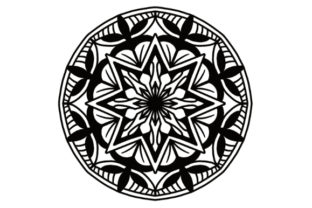
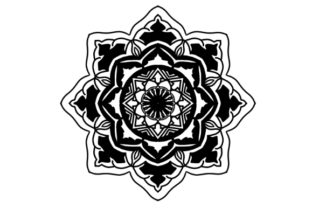
Mandala Vector Art Pattern 697 is a versatile design that blends intricate geometry with symbolic meaning. This pattern offers a unique visual language that can be adapted across multiple creative fields. Whether you're a designer, marketer, or educator, this resource provides a foundation for crafting visually engaging content.
What Makes Mandala Vector Art Pattern 697 Unique?
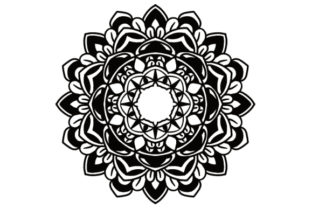
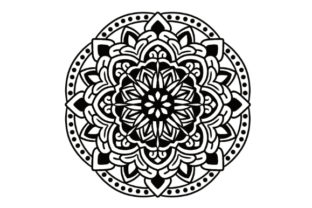
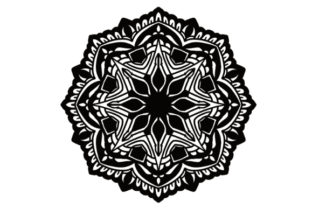
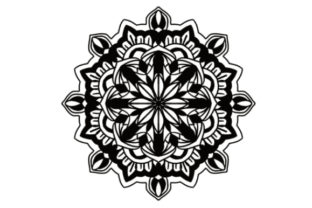
Mandala Vector Art Pattern 697 stands out due to its balance of complexity and clarity. It features layered concentric circles, interlocking shapes, and repeating motifs that create a sense of harmony and balance. The pattern is designed in vector format, which means it can be scaled without losing quality, making it ideal for use in various digital and print media.
The design also includes a range of customizable elements such as color schemes, line thickness, and spacing. These features allow users to tailor the pattern to suit different projects, whether they're creating branding materials, educational resources, or decorative graphics.
Creative Possibilities with Mandala Vector Art Pattern 697
The versatility of Mandala Vector Art Pattern 697 opens up a wide array of creative applications. Here are some ideas to explore:
- Branding Elements: Use the pattern as a background for logos, social media banners, or website headers to add depth and visual interest.
- Print Design: Incorporate the pattern into posters, flyers, or book covers to enhance aesthetic appeal while maintaining readability.
- Interior Design: Apply the pattern to wall art, textiles, or decorative objects to bring a modern, artistic touch to any space.
- Education: Integrate the pattern into teaching materials to help illustrate concepts related to symmetry, geometry, or mindfulness.
- Marketing Campaigns: Utilize the pattern in promotional materials to create a cohesive brand identity that resonates with your audience.
How to Adapt Mandala Vector Art Pattern 697 for Different Goals
The key to successfully using Mandala Vector Art Pattern 697 lies in understanding how to adapt it to your specific needs. Here’s how you can do that:
- Identify Your Purpose: Determine what you want to achieve with the pattern—whether it's for branding, education, or personal expression.
- Customize the Design: Adjust colors, shapes, and layouts to align with your project’s tone and message.
- Test Across Platforms: Ensure the pattern works well on both digital and physical mediums by testing it in different formats and sizes.
- Keep It Organized: Maintain a clear file structure to manage variations and updates efficiently.
- Stay Original: While the pattern provides a strong base, adding your own creative twists will make your work stand out.
Practical Tips for Using Mandala Vector Art Pattern 697
Here are some practical tips to help you get the most out of Mandala Vector Art Pattern 697:
Use Multiple File Formats: Since the pattern comes in AI, EPS, and JPG formats, you can choose the best one for your project. AI files are great for editing, while JPGs are ideal for quick sharing or printing.
Layer Creatively: Experiment with layering the pattern over text or images to create depth and visual hierarchy. This technique works particularly well in graphic design and web development.
Focus on Clarity: Even though the pattern is complex, ensure that it doesn’t overwhelm your design. Keep the overall composition clean and easy to understand.
Think About Your Audience: Consider who will be viewing your work and adjust the style and complexity accordingly. A more intricate design may suit an artistic audience, while a simpler version might be better for a general audience.
Realistic Examples of Mandala Vector Art Pattern 697 in Action
To give you a clearer idea of how Mandala Vector Art Pattern 697 can be used, here are some realistic examples:
Example 1: A small business owner uses the pattern as a background for their website’s homepage. The subtle design enhances the user experience without distracting from the main content.
Example 2: An educator incorporates the pattern into a math lesson plan to visually demonstrate geometric principles. Students find the lesson more engaging and easier to grasp.
Example 3: A freelance designer creates a series of social media posts using the pattern as a recurring element. This helps build a consistent brand image across platforms.
Conclusion
Mandala Vector Art Pattern 697 is more than just a design—it’s a tool for creativity and communication. By understanding its structure, adapting it to your goals, and applying it thoughtfully, you can unlock a wide range of possibilities. Whether you're looking to enhance your brand, educate others, or simply explore new creative directions, this pattern offers a solid foundation to start from.