Mastering Mandala Vector Art Pattern 803 for Strategic Creativity and Design
Mandala Vector Art Pattern 803 is more than just a visual design—it’s a tool for intentional creativity, structured thinking, and strategic communication. In an era where visual content dominates digital spaces, having access to high-quality vector art like Mandala Vector Art Pattern 803 can significantly enhance your ability to convey complex ideas with clarity and impact. Whether you're a designer, marketer, educator, or entrepreneur, understanding how to use Mandala Vector Art Pattern 803 effectively can unlock new opportunities for innovation and engagement.
Understanding Mandala Vector Art Pattern 803
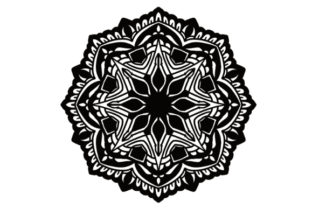
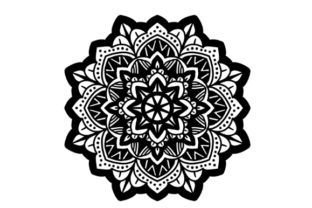
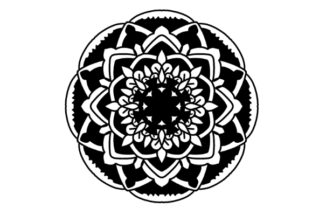
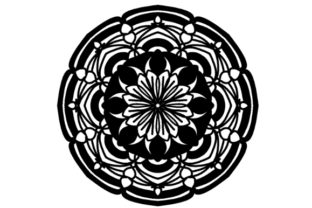
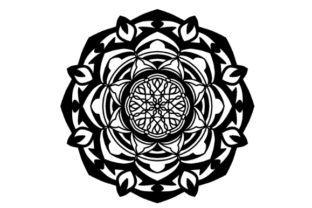
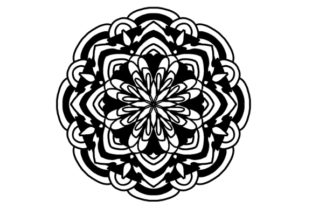
Mandala Vector Art Pattern 803 is a meticulously crafted geometric design that blends symmetry, repetition, and intricate patterns. It is available in multiple formats—AI, EPS, and JPG—ensuring compatibility across various design platforms and applications. This pattern is ideal for both digital and print media, making it versatile for a wide range of creative projects.
What sets Mandala Vector Art Pattern 803 apart is its balance between complexity and simplicity. The design elements are arranged in a way that allows for easy customization while maintaining the integrity of the original structure. This makes it particularly useful for those who want to create visually engaging content without sacrificing quality or consistency.
The Strategic Value of Mandala Vector Art Pattern 803
When used strategically, Mandala Vector Art Pattern 803 can serve as a powerful tool for branding, storytelling, and audience engagement. Its symmetrical nature conveys a sense of balance and harmony, which can be leveraged to communicate stability, growth, and order in your brand messaging.
For entrepreneurs and small business owners, incorporating Mandala Vector Art Pattern 803 into marketing materials can help establish a cohesive brand identity. The pattern's timeless appeal makes it suitable for a variety of industries, from wellness and spirituality to technology and education. By using this pattern in logos, social media graphics, and website backgrounds, you can create a consistent visual language that resonates with your target audience.
How to Use Mandala Vector Art Pattern 803 Effectively
Before integrating Mandala Vector Art Pattern 803 into your projects, consider the purpose and context in which you plan to use it. Here are some practical tips to guide your approach:
- Define Your Goals: Determine what you hope to achieve by using this pattern. Is it to enhance brand recognition, improve user experience, or support educational content? Clear objectives will ensure that your use of the pattern aligns with your overall strategy.
- Choose the Right Format: Depending on your project requirements, select the most appropriate format—AI for editable vector work, EPS for scalable print, or JPG for web-based content.
- Customize Thoughtfully: While Mandala Vector Art Pattern 803 offers a strong foundation, don’t hesitate to modify it to better suit your specific needs. Adjust colors, sizes, and placements to match your brand’s aesthetic and message.
- Test Across Platforms: Ensure that the pattern performs well on different devices and screen sizes. A visually appealing design can lose its impact if it doesn’t render correctly in all contexts.
- Consider Brand Consistency: If you’re using the pattern across multiple touchpoints, maintain a consistent application to reinforce brand identity and build trust with your audience.
Use Cases for Mandala Vector Art Pattern 803
Mandala Vector Art Pattern 803 is not limited to one specific use case. Its adaptability makes it a valuable asset across various domains. Here are some examples of how it can be applied:
Branding and Marketing
In the world of branding, Mandala Vector Art Pattern 803 can be used to create unique logos, packaging designs, and promotional materials. Its intricate yet balanced design adds a touch of sophistication and professionalism to any brand.
Education and Learning
For educators and content creators, Mandala Vector Art Pattern 803 can serve as a visual aid in teaching complex concepts. The pattern’s symmetry and repetition can be used to illustrate mathematical principles, artistic techniques, or even psychological theories.
Wellness and Spirituality
Mandalas have long been associated with mindfulness and spiritual practices. Incorporating Mandala Vector Art Pattern 803 into wellness apps, meditation guides, or yoga programs can provide users with a calming and meditative experience.
Web and Mobile Design
Whether you’re designing a website or a mobile app, Mandala Vector Art Pattern 803 can add visual interest and depth to your interface. It can be used as a background element, a decorative border, or part of a larger UI/UX design system.
Strategic Observations and Decision-Making Guidance
While Mandala Vector Art Pattern 803 offers numerous benefits, it’s important to approach its use with intentionality. Simply applying the pattern without a clear strategy may lead to inconsistent results or misaligned messaging.
One key consideration is the context in which the pattern is used. For instance, a mandala design might be appropriate for a wellness brand but could appear out of place in a corporate setting. Always evaluate whether the pattern supports your brand’s values and messaging.
Another important factor is audience perception. Some audiences may associate mandalas with specific cultural or spiritual meanings. Understanding these associations can help you avoid unintended interpretations and ensure your design communicates the intended message.
Finally, always measure the impact of your design choices. Track user engagement, feedback, and performance metrics to determine whether your use of Mandala Vector Art Pattern 803 is achieving the desired outcomes.
Risks of Using Mandala Vector Art Pattern 803 Without Clear Goals
While Mandala Vector Art Pattern 803 is a versatile design, using it without clear goals or context can lead to several risks:
- Lack of Direction: Without a defined purpose, the pattern may become a decorative element rather than a strategic asset, failing to contribute meaningfully to your project.
- Brand Dilution: Overuse or misuse of the pattern can weaken brand recognition, especially if it’s not consistently applied across all touchpoints.
- Cultural Misinterpretation: As mentioned earlier, mandalas carry cultural and symbolic significance. Misusing the pattern could lead to misunderstandings or negative perceptions.
- Design Fatigue: Repetitive or overused patterns can become visually unappealing, reducing their effectiveness over time.
To mitigate these risks, always approach the use of Mandala Vector Art Pattern 803 with a clear strategy and a deep understanding of your audience and brand identity.
Conclusion: Intentional Use for Long-Term Value
Mandala Vector Art Pattern 803 is a powerful design resource that can elevate your creative projects and strategic communication. However, its true value lies in how intentionally it is used. By aligning its application with your goals, understanding its implications, and measuring its impact, you can harness its full potential and achieve meaningful results.
Whether you're building a brand, creating educational content, or enhancing user experiences, Mandala Vector Art Pattern 803 offers a unique opportunity to combine aesthetics with strategy. With thoughtful planning and execution, this pattern can become a cornerstone of your design toolkit, supporting your long-term vision and success.