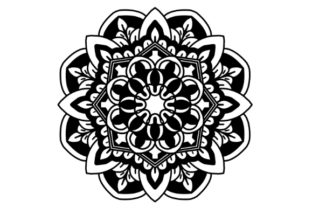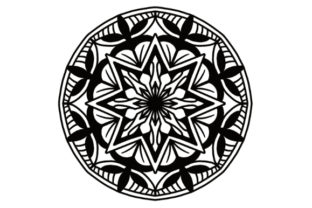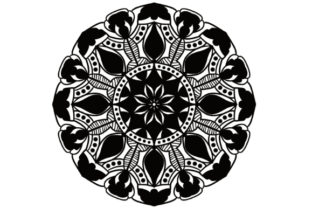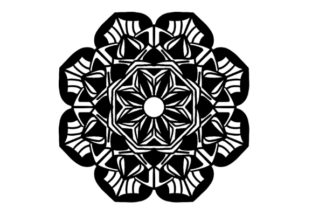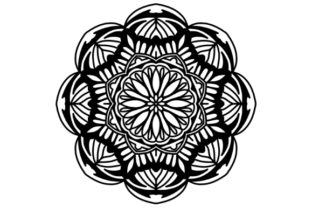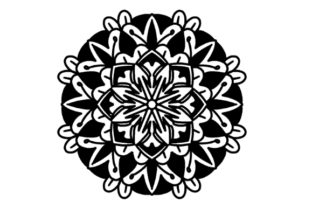
Exploring the Versatility of Mandala Vector Art Pattern 963
Mandala Vector Art Pattern 963 is more than just a visual design—it’s a versatile tool that can be applied across a wide range of creative and practical scenarios. Whether you're a graphic designer, a brand strategist, or someone looking for a meaningful way to express creativity, this pattern offers unique opportunities to bring ideas to life. Its intricate yet adaptable structure makes it suitable for both professional and personal use, depending on your goals.
Real-World Applications Across Industries
The appeal of Mandala Vector Art Pattern 963 lies in its adaptability. It can be scaled, modified, and integrated into various contexts, making it an asset for multiple industries. For instance, in the world of branding, this pattern can serve as a central motif for logos, packaging, or promotional materials. Its symmetrical design and spiritual undertones make it particularly effective for wellness brands, eco-conscious companies, or mindfulness-focused products.
In the realm of interior design, Mandala Vector Art Pattern 963 can be used to create custom wall art, textiles, or decorative elements. It adds a touch of elegance and depth without being overwhelming, which is ideal for modern or minimalist spaces. Designers often incorporate such patterns into home decor projects to add visual interest while maintaining a cohesive aesthetic.
For educators and therapists, this pattern can be a valuable resource in creating engaging visual aids. In classrooms, it can be used to teach geometry, symmetry, and cultural studies. In therapeutic settings, mandalas are known for their calming effect, and using this vector-based version allows for easy customization and scalability, making it accessible for individuals with varying needs.
How Different Users Can Benefit
The value of Mandala Vector Art Pattern 963 varies depending on the user's background and purpose. For designers, it provides a ready-made template that can be manipulated to fit specific projects. The availability of AI, EPS, and JPG formats ensures compatibility with a wide range of software, from Adobe Illustrator to online design tools, allowing for seamless integration into workflows.
For small business owners, this pattern offers a cost-effective way to develop branding assets. Instead of hiring a designer, they can use the pattern to create custom graphics, social media content, or marketing collateral. This not only saves time but also maintains a consistent visual identity across all platforms.
Individuals interested in self-expression or creative hobbies may find this pattern useful for personal projects. Whether it's for scrapbooking, crafting, or digital art, the ability to edit and customize the pattern allows for endless possibilities. It’s a great starting point for those who want to explore their artistic side without starting from scratch.
Practical Considerations Before Using Mandala Vector Art Pattern 963
Before diving into using Mandala Vector Art Pattern 963, it’s important to consider a few key factors. First, understand the licensing terms associated with the files. While many vector art resources are available for free or at a low cost, some may come with restrictions on commercial use. Always review the license agreement to ensure compliance with any usage guidelines.
Second, think about how the pattern will be used in its final form. If it’s intended for print, check the resolution and file format to ensure clarity and quality. High-resolution EPS files are typically best suited for professional printing, while JPG files are more appropriate for digital use. Additionally, if you plan to modify the pattern, having access to editable vector files like AI or EPS is essential for maintaining scalability and detail.
Lastly, consider the target audience. If the pattern is being used for a product or service aimed at a specific demographic, aligning the design with their preferences and values is crucial. For example, a mandala pattern might resonate more with a spiritual or wellness-oriented audience than with a tech-savvy group. Understanding your audience helps in tailoring the application of the pattern effectively.
Strengths and Limitations of Mandala Vector Art Pattern 963
Mandala Vector Art Pattern 963 has several strengths that make it a popular choice among creators. One of its most notable features is its scalability. Since it’s a vector file, it can be resized without losing quality, which is ideal for both small details and large-scale designs. This flexibility is especially useful when working across different mediums or platforms.
Another advantage is its cultural significance. Mandalas are deeply rooted in spiritual traditions, particularly in Buddhism and Hinduism. Incorporating this pattern into designs can add a layer of meaning and resonance, especially for audiences who appreciate symbolic and meditative imagery.
However, there are also limitations to consider. While the pattern is highly customizable, it may not always suit every project. For instance, its intricate design could be too complex for simpler applications, such as basic website banners or casual social media posts. Additionally, the pattern’s traditional roots may not align with all brand identities, so it’s important to assess whether it complements the overall message and tone of the project.
Despite these considerations, the adaptability of Mandala Vector Art Pattern 963 means it can still be a powerful tool when used thoughtfully. By understanding its potential uses and limitations, users can maximize its impact in their creative work.