Mastering Mandala Vector Art Pattern 706: A Practical Guide for Creative Professionals
Mandala Vector Art Pattern 706 is more than just a design template—it’s a versatile tool that can elevate your creative projects across multiple industries. Whether you're a graphic designer, marketer, educator, or hobbyist, this pattern offers a unique blend of intricate detail and scalability that makes it ideal for both personal and professional use. With access to AI, EPS, and JPG formats, Mandala Vector Art Pattern 706 caters to a wide range of needs, from digital branding to print materials.
Understanding the Value of Mandala Vector Art Pattern 706
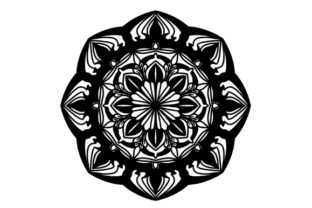
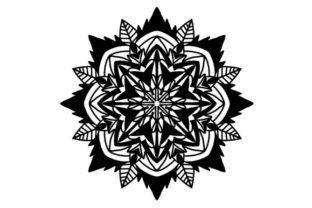
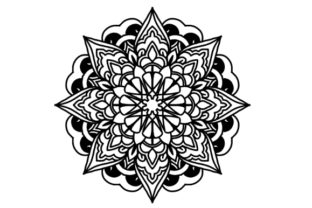
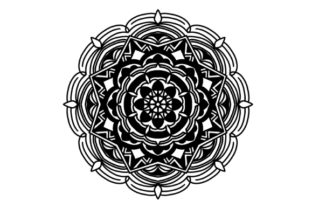
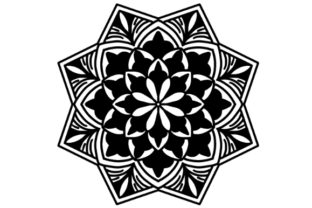
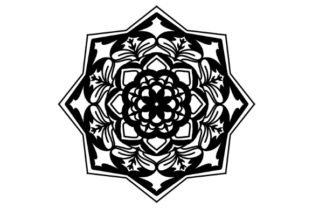
Mandala patterns have long been associated with spiritual symbolism, but in modern design, they serve as powerful visual elements that convey balance, harmony, and complexity. Mandala Vector Art Pattern 706 stands out due to its clean lines, symmetrical structure, and adaptability. It can be used in logos, packaging, website backgrounds, social media graphics, and even educational resources.
The availability of multiple file formats ensures that users can work with the pattern in various environments. For instance, AI files are perfect for editing in Adobe Illustrator, while EPS files offer high-resolution compatibility for print. JPG files provide a quick solution for web-based projects without compromising on quality.
Why You Should Care About Choosing the Right Format
One common mistake when working with Mandala Vector Art Pattern 706 is not considering the intended use case before selecting a format. Many users download the pattern without thinking about whether they need editable vector graphics or a static image. This oversight can lead to inefficiencies, especially if you later need to modify the design.
For example, if you're creating a logo, using a JPG file might limit your ability to scale the design without losing clarity. On the other hand, if you’re designing a poster that requires precise color adjustments, an EPS file will give you greater control over the output.
Common Pitfalls When Using Mandala Vector Art Pattern 706
While Mandala Vector Art Pattern 706 is a valuable resource, there are several misconceptions and mistakes that users often make. One of the most frequent errors is assuming that all mandala patterns are interchangeable. In reality, each pattern has its own design language, complexity level, and visual impact.
Another mistake is not checking the resolution or scalability of the file before using it in a project. High-quality vector files like EPS maintain their clarity at any size, making them ideal for print and digital applications. However, if you use a low-resolution JPG, you may encounter pixelation, especially when scaling up for large-format prints or high-definition screens.
Overlooking File Compatibility and Licensing
Many users overlook the licensing terms when downloading Mandala Vector Art Pattern 706. Some templates are only available for personal use, while others require a purchase for commercial applications. Failing to review the license agreement can lead to legal issues, especially if you plan to use the pattern in a product for sale.
Additionally, not verifying the file compatibility with your software can cause frustration. For example, some vector editors may not support certain EPS versions, or AI files might require specific plug-ins to function correctly. Always check the system requirements and software compatibility before downloading.
How to Avoid These Mistakes and Get the Most Out of Mandala Vector Art Pattern 706
To maximize the benefits of Mandala Vector Art Pattern 706, start by clearly defining your project goals. Ask yourself: What is the purpose of this pattern? Who is the target audience? What format do I need for the best results?
Once you’ve identified your needs, carefully review the file details. Look for information about resolution, color mode (CMYK vs. RGB), and licensing. If you're unsure about anything, reach out to the provider for clarification. It's better to ask questions upfront than to face unexpected issues later.
When using the pattern, consider how it fits into the overall design. Mandala Vector Art Pattern 706 is highly detailed, so it’s important to ensure it doesn’t overpower other elements. Use it as a subtle background or accent rather than the main focus. This approach helps maintain visual balance and readability.
Practical Tips for Better Results
- Test the pattern in different contexts: Try using Mandala Vector Art Pattern 706 in a variety of projects—such as a blog post, a marketing campaign, or a classroom activity—to see how it performs.
- Optimize for the platform: Choose the right file format based on where the design will be used. For web, JPG is often sufficient; for print, EPS or AI is preferable.
- Backup your files: Always keep a copy of your original files in case of any changes or updates to the pattern.
- Explore variations: Don’t settle for one version of Mandala Vector Art Pattern 706. Experiment with different colors, sizes, and placements to find what works best for your project.
By taking these steps, you can avoid common pitfalls and ensure that Mandala Vector Art Pattern 706 enhances your creative work rather than complicating it.
Final Thoughts on Using Mandala Vector Art Pattern 706
Mandala Vector Art Pattern 706 is a powerful tool that can add depth and meaning to your designs. However, its effectiveness depends on how well you understand its capabilities and limitations. By being mindful of file formats, licensing, and usage scenarios, you can unlock its full potential.
Remember, the key to success with Mandala Vector Art Pattern 706 lies in preparation, attention to detail, and a clear understanding of your goals. With the right approach, this pattern can become a valuable asset in your creative toolkit, helping you produce professional, visually appealing work that resonates with your audience.