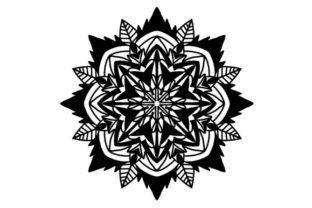
Mastering Mandala Vector Art Pattern 993: A Practical Guide for Creative Professionals
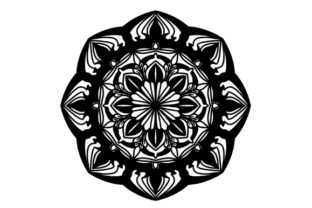
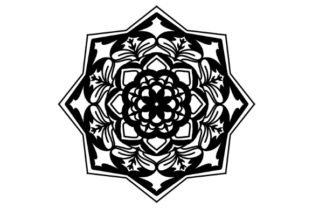
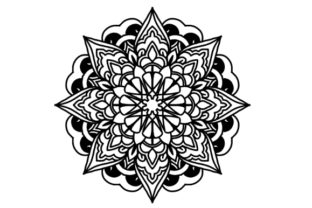
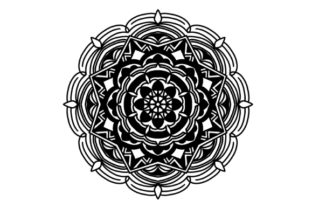
Mandala Vector Art Pattern 993 is more than just a design template—it’s a versatile tool that can elevate your creative projects across multiple industries. Whether you're a graphic designer, educator, marketer, or hobbyist, this pattern offers a unique blend of intricate detail and scalability that makes it ideal for both personal and professional use. With access to AI, EPS, and JPG formats, Mandala Vector Art Pattern 993 caters to a wide range of needs, from digital illustrations to print materials.
Understanding the Value of Mandala Vector Art Pattern 993
Mandala patterns have long been associated with spiritual symbolism, balance, and mindfulness. However, in the world of design, they serve a much broader purpose. Mandala Vector Art Pattern 993 is designed to be adaptable, allowing users to integrate it into branding, packaging, educational resources, and even therapeutic tools.
One of the key advantages of using vector-based files like EPS is their scalability. Unlike raster images, vectors maintain clarity at any size, making them perfect for everything from small icons to large banners. The AI format adds another layer of flexibility, enabling seamless integration with Adobe Illustrator and other design software. Meanwhile, the JPG file ensures quick accessibility for web and print use without sacrificing quality.
Common Mistakes When Using Mandala Vector Art Pattern 993
Despite its versatility, many users overlook important considerations when working with Mandala Vector Art Pattern 993. One of the most frequent mistakes is not verifying the licensing terms before downloading or using the pattern. Some free templates may come with restrictions on commercial use, which can lead to legal issues if not carefully reviewed.
Another common oversight is failing to check the resolution and compatibility of the files. While the AI and EPS formats are high-quality, they may not work well with all design software. For instance, some older versions of Adobe Illustrator might struggle with complex vector layers, leading to performance issues or corrupted files.
Additionally, users often neglect to explore the full potential of the pattern. Mandala Vector Art Pattern 993 isn’t just a static image—it’s a customizable template. Many people use it as-is without adjusting colors, shapes, or layout, which limits its effectiveness in branding or marketing contexts.
How These Mistakes Can Impact Your Work
Not adhering to licensing agreements can result in costly legal disputes, especially if the pattern is used in a product sold commercially. This risk is particularly relevant for entrepreneurs and small business owners who rely on digital assets for their brand identity.
Ignoring file compatibility can also lead to wasted time and frustration. If you’re working on a project that requires precise alignment or color consistency, an incompatible file format could cause misalignment, poor rendering, or even complete failure to import the design.
On the other hand, underutilizing the pattern’s features can limit your creative output. For example, a marketing team might miss out on opportunities to create dynamic visuals by not experimenting with different color schemes or layering techniques.
Practical Advice for Avoiding These Mistakes
To ensure a smooth experience with Mandala Vector Art Pattern 993, start by thoroughly reviewing the license agreement. Make sure you understand whether the pattern is free for commercial use, if there are attribution requirements, or if there are limitations on redistribution.
Next, test the file formats on your preferred design software. Open the AI and EPS files in Adobe Illustrator to see how they perform. If you encounter any issues, consider updating your software or looking for alternative formats that better suit your workflow.
Finally, don’t hesitate to customize the pattern. Experiment with color palettes, adjust the complexity of the design, and try different layouts. This not only enhances the visual appeal but also helps you tailor the pattern to your specific project goals.
What to Check Before Making a Decision
Before purchasing or downloading Mandala Vector Art Pattern 993, take a few moments to evaluate the following:
- License Terms: Ensure the pattern aligns with your intended use, especially if you plan to sell products or use it in a public-facing context.
- File Formats: Confirm that the available formats (AI, EPS, JPG) meet your technical requirements and design software compatibility.
- Customization Options: Look for patterns that offer flexibility in terms of color, shape, and structure so you can adapt them to your needs.
- Quality and Resolution: Verify that the files are high-resolution and suitable for both print and digital applications.
- Support and Updates: Consider whether the provider offers customer support or updates for the pattern, especially if you plan to use it over an extended period.
By addressing these factors upfront, you’ll avoid common pitfalls and set yourself up for success with Mandala Vector Art Pattern 993.
Conclusion
Mandala Vector Art Pattern 993 is a powerful resource for creators across various fields. Its combination of artistic beauty and technical flexibility makes it a valuable addition to any design toolkit. However, to get the most out of it, it’s essential to approach it with care, awareness, and a willingness to adapt.
By avoiding common mistakes and taking the time to understand the nuances of the pattern, you’ll unlock its full potential and enhance your creative output. Whether you’re designing for a client, building your brand, or simply exploring new artistic possibilities, Mandala Vector Art Pattern 993 can be a valuable asset when used wisely.