Mastering Mandala Vector Art Pattern 839: A Practical Guide for Creative and Productive Workflows
Mandala Vector Art Pattern 839 is a versatile design element that has found its way into the creative toolkit of professionals, hobbyists, and designers across various industries. This intricate pattern offers a unique blend of geometric precision and artistic beauty, making it an ideal choice for both aesthetic and functional applications. Whether you're working on branding materials, digital illustrations, or personal projects, understanding how to integrate Mandala Vector Art Pattern 839 into your workflow can significantly enhance your output.
Understanding Mandala Vector Art Pattern 839
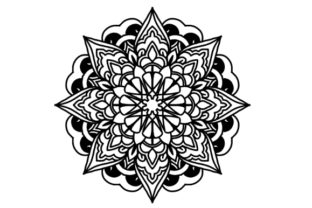
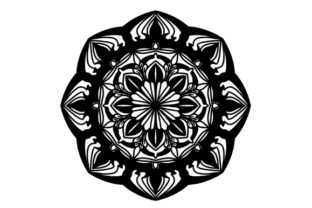
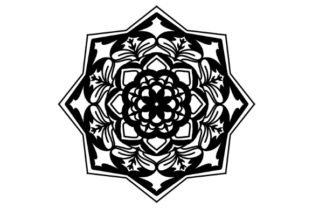
Mandala Vector Art Pattern 839 is a pre-designed vector graphic that features symmetrical, repeating elements often associated with mandalas. These patterns are typically created using mathematical precision, ensuring scalability and adaptability across different mediums. The design is available in multiple file formats including AI, EPS, and JPG, which makes it accessible for use in a wide range of software and platforms.
The key strength of Mandala Vector Art Pattern 839 lies in its versatility. It can be used as a background element, a decorative motif, or even as a foundational structure for more complex designs. Its clean lines and balanced composition make it particularly well-suited for environments where visual harmony and clarity are important.
When to Use Mandala Vector Art Pattern 839
The timing of when to incorporate Mandala Vector Art Pattern 839 into a project depends largely on the specific needs of the task at hand. Here are some common scenarios where this pattern proves valuable:
- Design Concept Development: During the initial stages of a design project, using Mandala Vector Art Pattern 839 can help establish a cohesive visual language and provide a foundation for further creative exploration.
- Branding and Identity: For businesses looking to create a visually appealing brand identity, this pattern can serve as a subtle yet impactful element in logos, packaging, and marketing materials.
- Digital Illustration: Artists and illustrators often use such patterns as a base for more detailed work, allowing them to focus on adding depth and character without starting from scratch.
- Personal Projects: Whether it's for a home decor project or a personal art collection, Mandala Vector Art Pattern 839 offers a ready-made solution that can be customized to fit individual tastes.
Integrating Mandala Vector Art Pattern 839 into Your Workflow
Successfully integrating Mandala Vector Art Pattern 839 into your workflow requires careful planning and consideration of several factors. Here are some practical tips to ensure smooth implementation:
Preparation and Compatibility
Before using Mandala Vector Art Pattern 839, it's essential to verify that the file format aligns with the tools and platforms you use. If you're working with Adobe Illustrator, the AI and EPS formats will offer the best results, while JPG files are suitable for web-based applications and print materials that require raster images.
Additionally, consider the resolution and size of the file. High-resolution versions are ideal for professional printing, whereas lower-resolution options may suffice for digital use. Always check the file specifications to ensure compatibility with your intended use case.
Workflow Integration
Incorporating Mandala Vector Art Pattern 839 into your workflow should be done in a way that enhances rather than disrupts your existing processes. Here are a few examples of how this can be achieved:
- During Design Planning: Use the pattern as a reference point to guide color choices, layout structures, and overall design direction.
- As a Background Element: Apply the pattern to backgrounds in digital mockups or presentations to add visual interest without overwhelming the main content.
- For Customization: Modify the pattern to suit specific project requirements, such as changing colors, scaling, or combining with other design elements.
By treating Mandala Vector Art Pattern 839 as a flexible asset rather than a rigid template, you can ensure that it supports your creative goals rather than limiting them.
Practical Applications Across Different Fields
Mandala Vector Art Pattern 839 is not limited to a single industry or application. Its adaptability allows it to be used in various contexts, including:
- Marketing and Advertising: As part of campaign visuals, social media graphics, or promotional materials.
- Education and Learning: To create engaging educational materials, such as posters, infographics, or interactive learning tools.
- Freelance Work: For clients who require consistent, high-quality visual assets that can be easily modified and reused.
- Small Business Owners: To develop branded materials that reflect a professional and aesthetically pleasing image.
Regardless of the field, the ability to customize and integrate Mandala Vector Art Pattern 839 into your workflow ensures that it remains a valuable resource throughout the entire project lifecycle.
Ensuring Long-Term Use and Quality Control
To maximize the long-term value of Mandala Vector Art Pattern 839, it's important to maintain consistency and quality across all uses. Here are some best practices to follow:
- Organize Files: Keep track of different versions of the pattern, noting any modifications made for specific projects.
- Test Across Platforms: Ensure that the pattern looks consistent across different devices, browsers, and print outputs.
- Document Usage: Maintain a record of how the pattern has been used in past projects to streamline future implementation.
- Update Regularly: Consider updating the pattern based on new design trends or client feedback to keep it relevant and effective.
By maintaining a structured approach to the use and management of Mandala Vector Art Pattern 839, you can ensure that it continues to support your creative and professional endeavors over time.